

Vision Testing for Every Age and Ability.
The LEA® Vision Test System offers a comprehensive range of vision assessments for children and individuals who need alternatives to traditional letter-based testing. Covering visual acuity, contrast sensitivity, color vision, and specialized visual function assessments, LEA® supports accurate, accessible, and consistent vision testing across all ages and abilities.
- Designed for all ages and abilities
- Worldwide availability

Order, support and purchase-order assistance from Good-Lite in Illinois.


Built on decades of vision assessment expertise
The LEA® Vision Test System was developed in 1976 by Dr. Lea Hyvärinen, MD, PhD, a Finnish pediatric ophthalmologist and internationally recognized expert in functional vision assessment.
Her pioneering work in vision rehabilitation began at the Wilmer Eye Institute of Johns Hopkins Hospital. Since the 1970s, Dr. Hyvärinen has developed standardized vision assessment tools and trained professionals worldwide, helping advance pediatric vision testing and the evaluation of visual function in individuals with diverse needs.
Of LEA® vision testing innovation since 1976.
Exclusive Worldwide
Manufactured and distributed globally by Good-Lite.
All Ages & Abilities
Accessible vision assessment for diverse patient needs.
40+ Tests
Covering visual acuity, contrast sensitivity, and visual function.
A complete system for vision assessment
LEA® Vision Test Systems go beyond traditional eye charts, offering more than 40 tests designed to assess visual function in children and adults. From near and distance visual acuity to contrast sensitivity, color vision, visual fields, motion perception, and accommodation, the system provides versatile tools for pediatric vision screening and comprehensive clinical assessment.
Multiple testing needs
Assess visual acuity, contrast sensitivity, color vision, visual fields, and other aspects of visual function with a coordinated range of LEA® tests.
Accessible Optotypes
LEA Symbols® support vision assessment in young children, nonverbal individuals, and patients who may have difficulty identifying traditional letter-based charts.
Consistent results
LEA Symbols® optotypes are calibrated against the Landolt C standard, supporting consistent and reliable visual acuity measurements.
The Partnership Behind LEA® Vision Test Systems
Good-Lite’s longstanding partnership with Dr. Lea Hyvärinen and LEA Test Intl brings together clinical innovation and manufacturing expertise. Since 2002, Good-Lite has held exclusive worldwide manufacturing rights for the LEA® Vision Test System, supporting the continued availability of these trusted vision assessment tools.
With over 90 years of experience in vision testing, Good-Lite supplies LEA® products to eye care professionals, schools, hospitals, and research institutions worldwide, helping make standardized vision assessment accessible across different ages and abilities.
Explore LEA® Vision Test System
LEA® includes a broad range of product formats and assessment tools, from symbols and numbers to contrast sensitivity, color vision, grating acuity, fixation, near vision, and specialized testing aids. The product families below offer a clear starting point for exploring the wider LEA® system.
LEA Symbols®
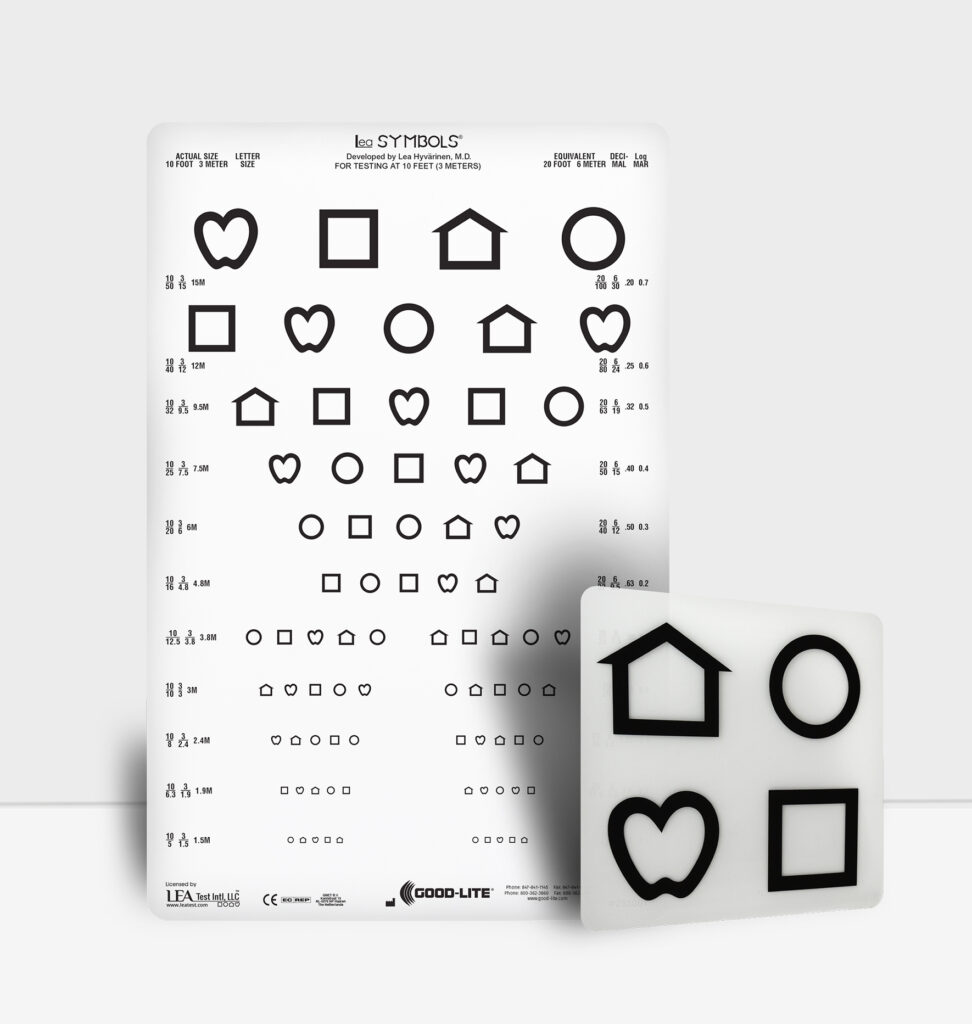
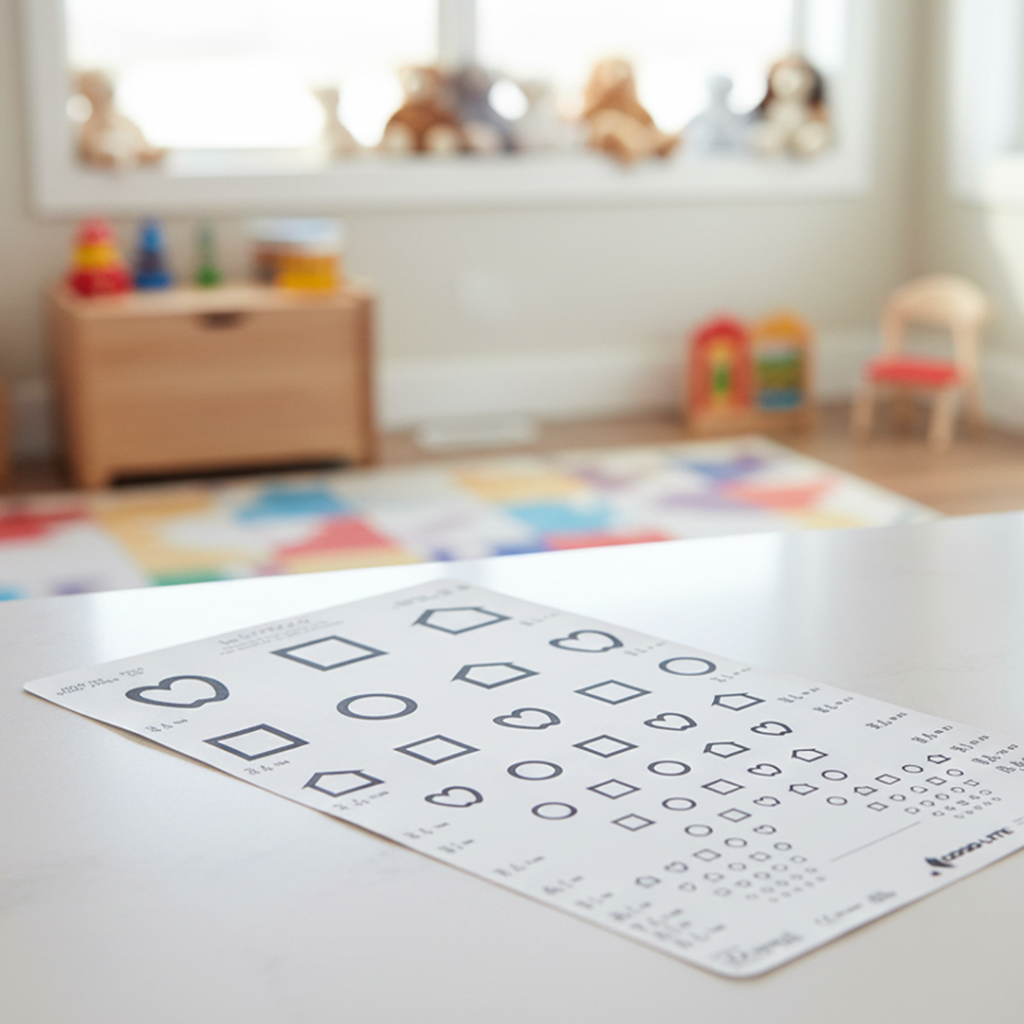
The LEA Symbols® Test was the first test created within the LEA® Vision Test System. It uses familiar optotypes, commonly identified as apple, house, window, and ring, to support visual acuity testing before children are ready to identify letters or numbers.
The LEA Symbols® Test is also used in the LEA® 3-D Puzzle, which incorporates color and familiar shapes to support testing in children as young as 14 months.
LEA Numbers®
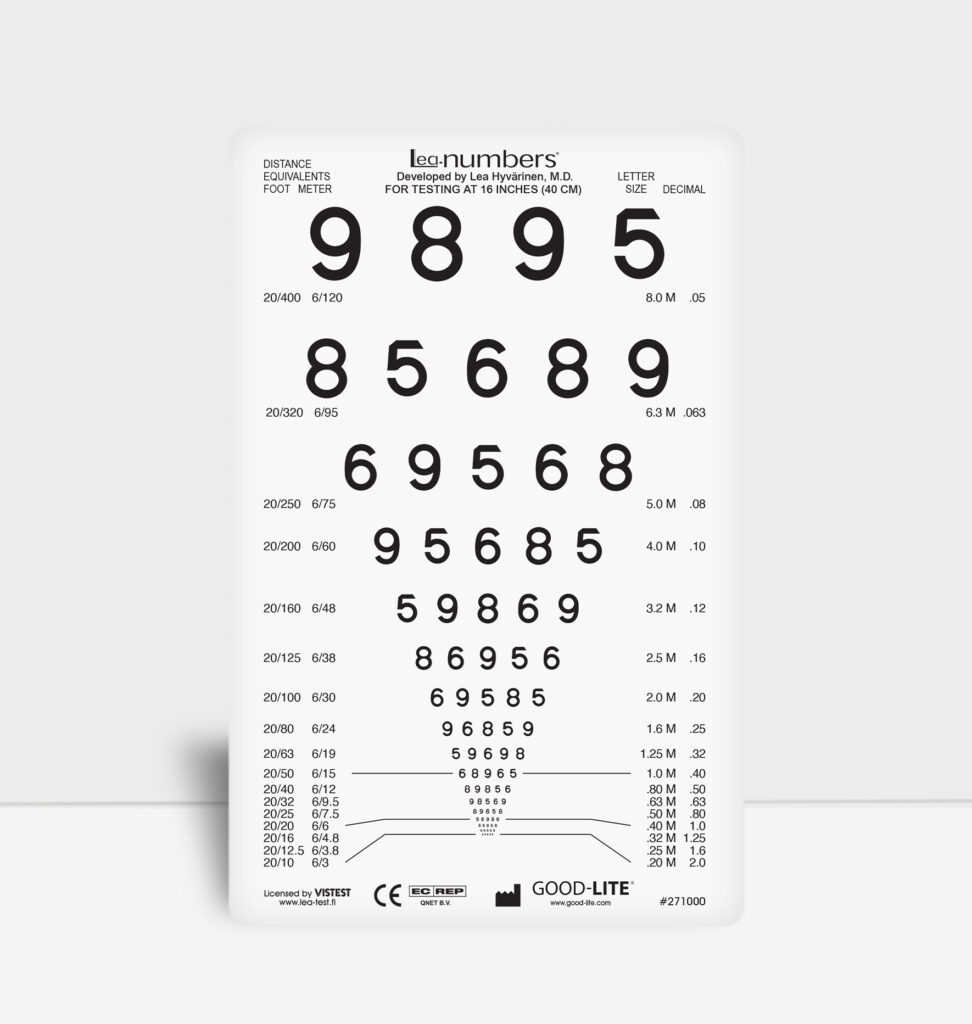
The LEA Numbers® Test was developed after the LEA Symbols® Test and is used to test visual acuity in older children and adults.
Its layout is similar to a traditional number chart, with lines of numbers decreasing in size. Like LEA Symbols®, the numbers are calibrated against the Landolt C and designed to blur equally, supporting reliable visual acuity measurement.
LEA® Contrast Sensitivity
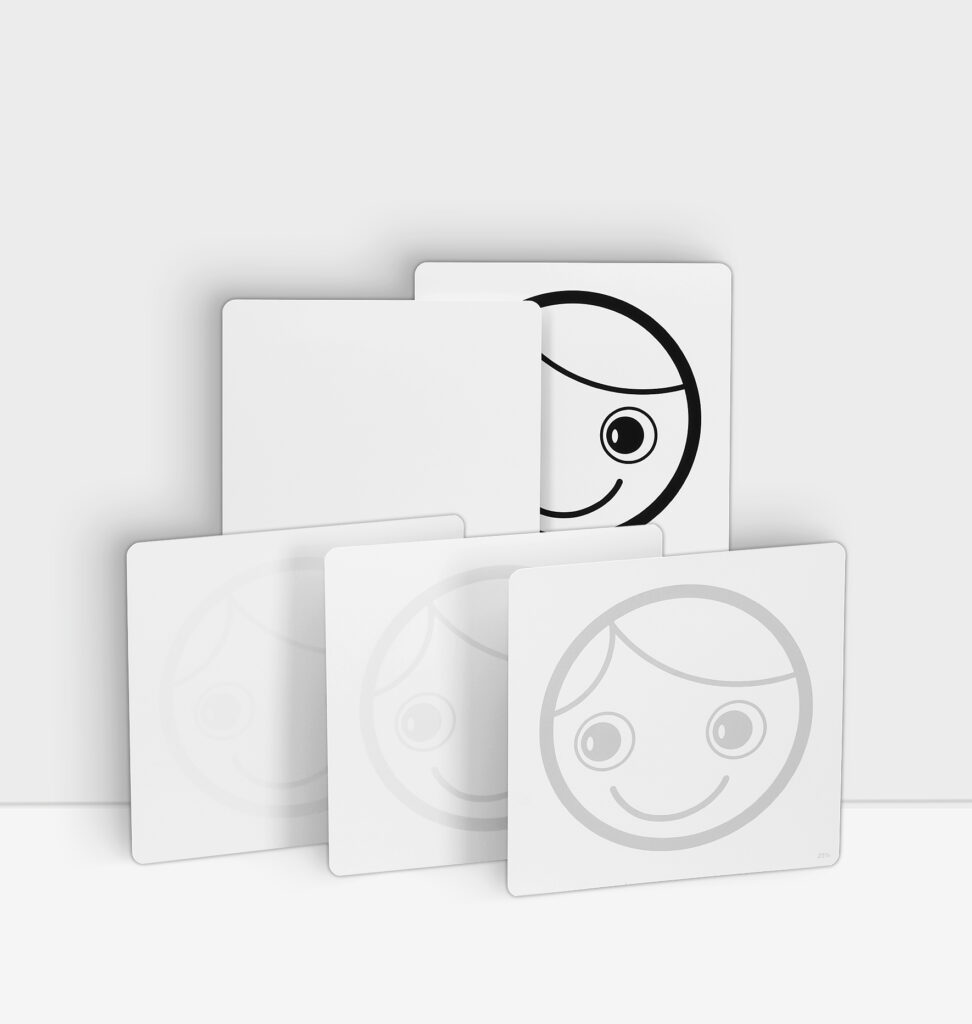
Contrast sensitivity is important for visual communication and everyday function. It can affect how well a child recognizes facial features, body language, classroom materials, blackboards, and projected information.
The Hiding Heidi Low Contrast Face Pictures test is part of the LEA® Vision Test System and uses face picture cards with different contrast levels to support child friendly contrast sensitivity assessment.
LEA® Grating Acuity Test
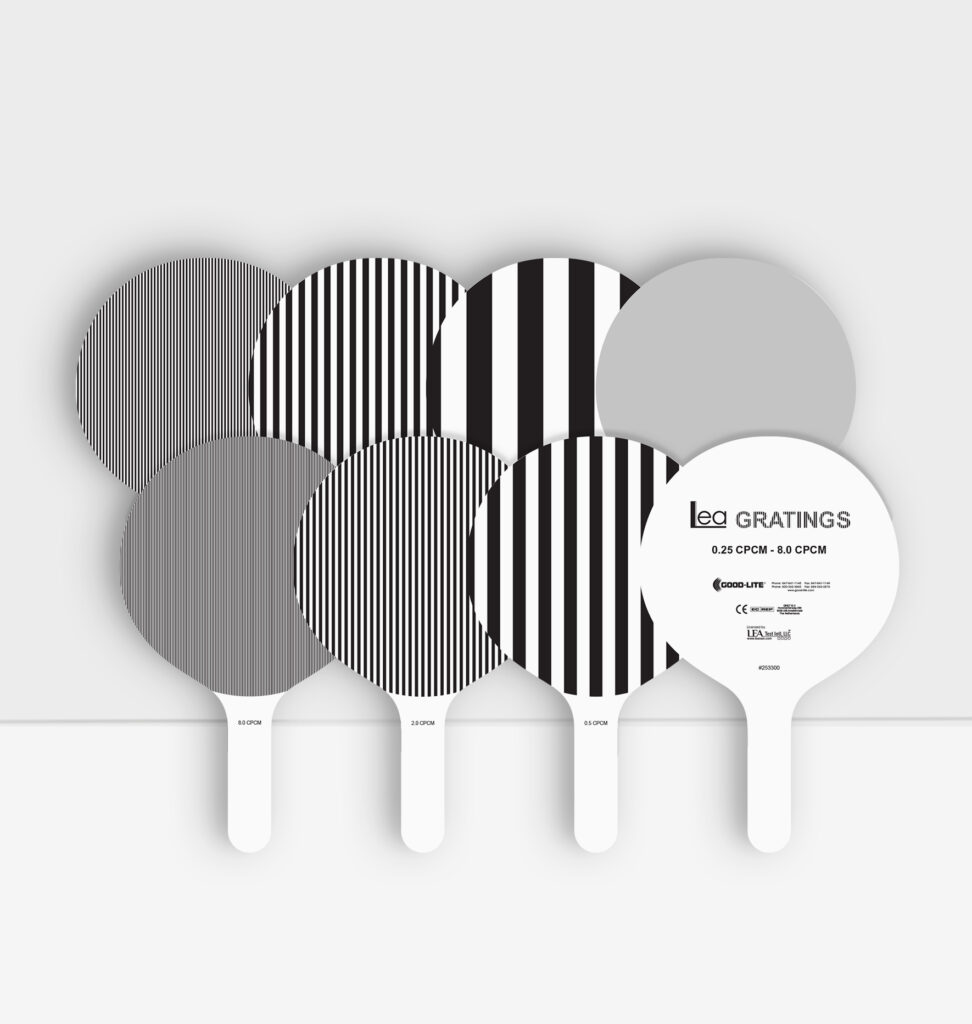
The LEA® Grating Acuity Test is designed to assess grating acuity, especially in children with severe or multiple visual deficiencies.
LEA® Gratings can be useful in specialized pediatric and functional vision assessment, including testing situations where children may have significant neurological or developmental challenges.
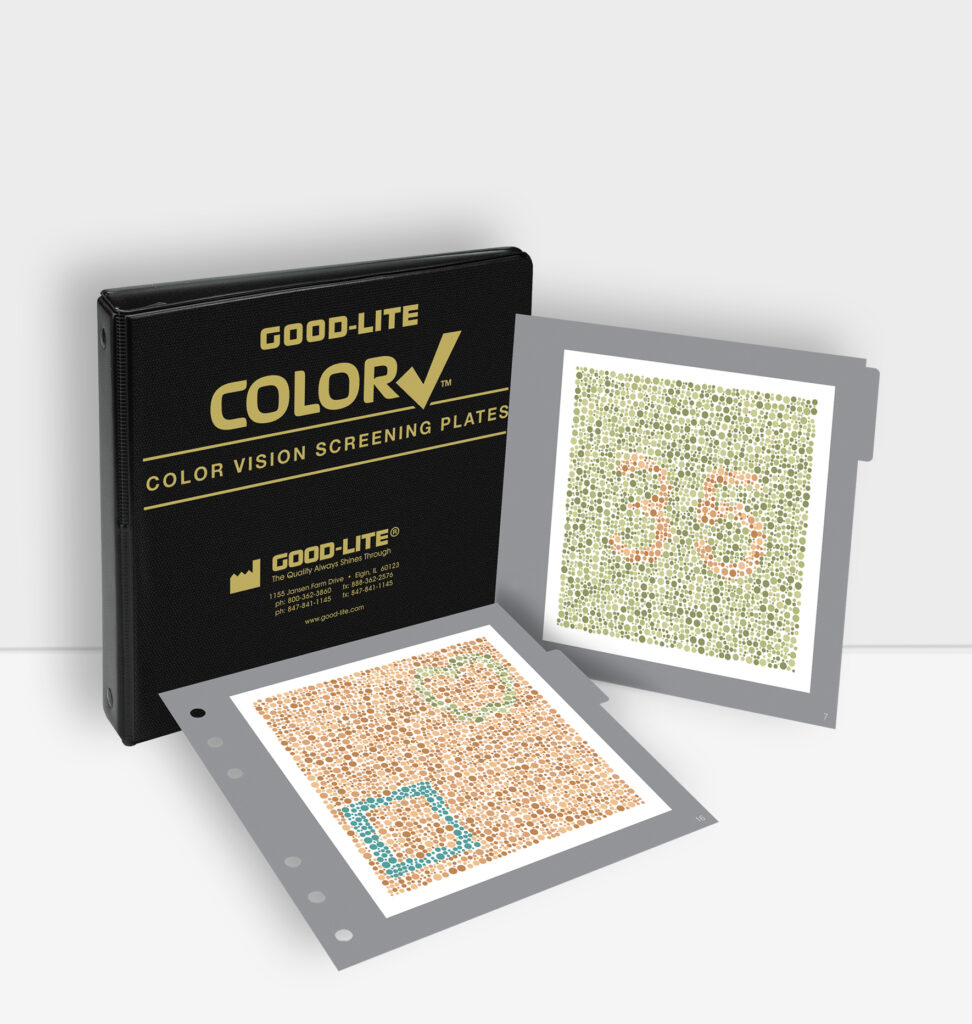
LEA® Supports Color Vision
Support color vision screening for pediatric, adult, and low vision patients using accessible formats for red/green and blue/yellow deficiency testing. Designed to make color assessment practical across clinical, school, occupational health, and specialized testing settings.
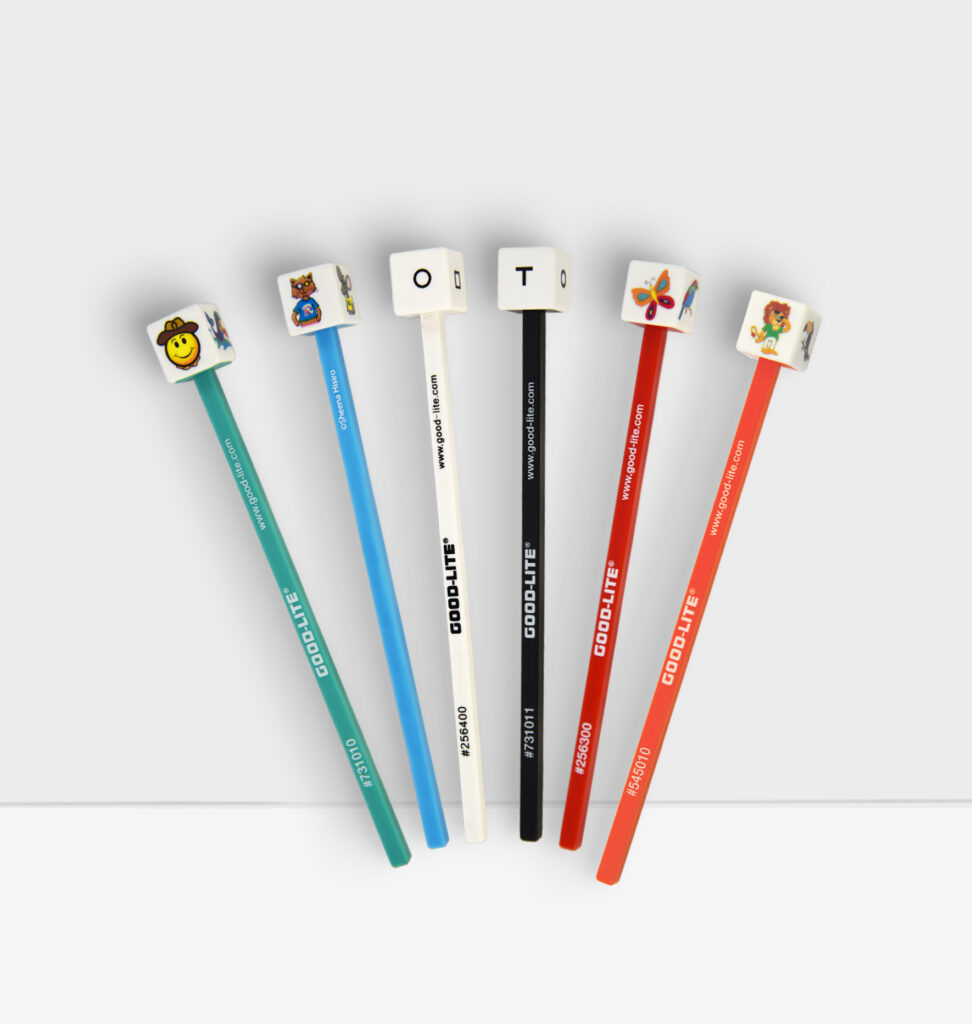
LEA® Fixation
LEA® fixation tools support observation of visual attention, fixation, and early visual responses in patients who may not be ready for standard acuity testing. These tools are especially useful in pediatric, developmental, and specialized assessment settings where simple, engaging targets can help the examiner evaluate how a patient looks, follows, and responds.
Exclusive Worldwide Manufacturer of LEA® Vision Test Systems
As the exclusive worldwide manufacturer and distributor of LEA® Vision Test Systems, Good-Lite provides trusted vision assessment tools to eye care professionals, schools, hospitals, and institutions worldwide.
Talk with a knowledgeable vision-testing team.
Assistance for institutional and public-sector buyers.
Reliable ordering and distribution of LEA® Vision Test products to customers worldwide.
Help selecting the right LEA® tests for your assessment needs.

What U.S. buyers should know.
Who is the exclusive worldwide manufacturer of LEA® Vision Test Systems?
Good-Lite is the exclusive worldwide manufacturer and distribution partner for LEA® Vision Test products, supplying official LEA Symbols®, LEA Numbers®, and specialized vision assessment tools to eye care professionals worldwide.
What are LEA® Vision Test Systems used for?
LEA® Vision Test Systems are used to assess visual acuity, contrast sensitivity, color vision, and other aspects of visual function. They are widely used in pediatric eye care, vision screening, clinical assessment, and vision rehabilitation.
What is the difference between LEA Symbols® and traditional letter-based eye charts?
LEA Symbols® use four recognizable shapes—a circle, square, house, and apple—rather than letters. This makes them particularly useful for young children, nonverbal patients, and individuals who may have difficulty recognizing or communicating letters.
Are LEA® Vision Tests suitable for both children and adults?
Yes. Although LEA Symbols® were originally developed for young children, the broader LEA Vision Test System includes assessment tools suitable for different ages, abilities, and clinical needs, including adults who require alternatives to traditional letter-based testing.
Where can I purchase official LEA® Vision Test products?
Official LEA® Vision Test products are available through Good-Lite’s online store and its distribution network. Good-Lite offers a comprehensive selection of LEA vision charts, near and distance tests, contrast sensitivity assessments, and specialized testing tools.
Find the right LEA tools for your testing needs
Explore Good-Lite’s LEA product range and choose from vision testing tools designed for accuracy, accessibility, and reliable assessment across children and adults.
Latest Blog Posts and Resources
Continue learning about the LEA® Vision Test System, pediatric visual acuity testing, product selection, contrast sensitivity, and accessible assessment through Good-Lite’s supporting LEA® resources.
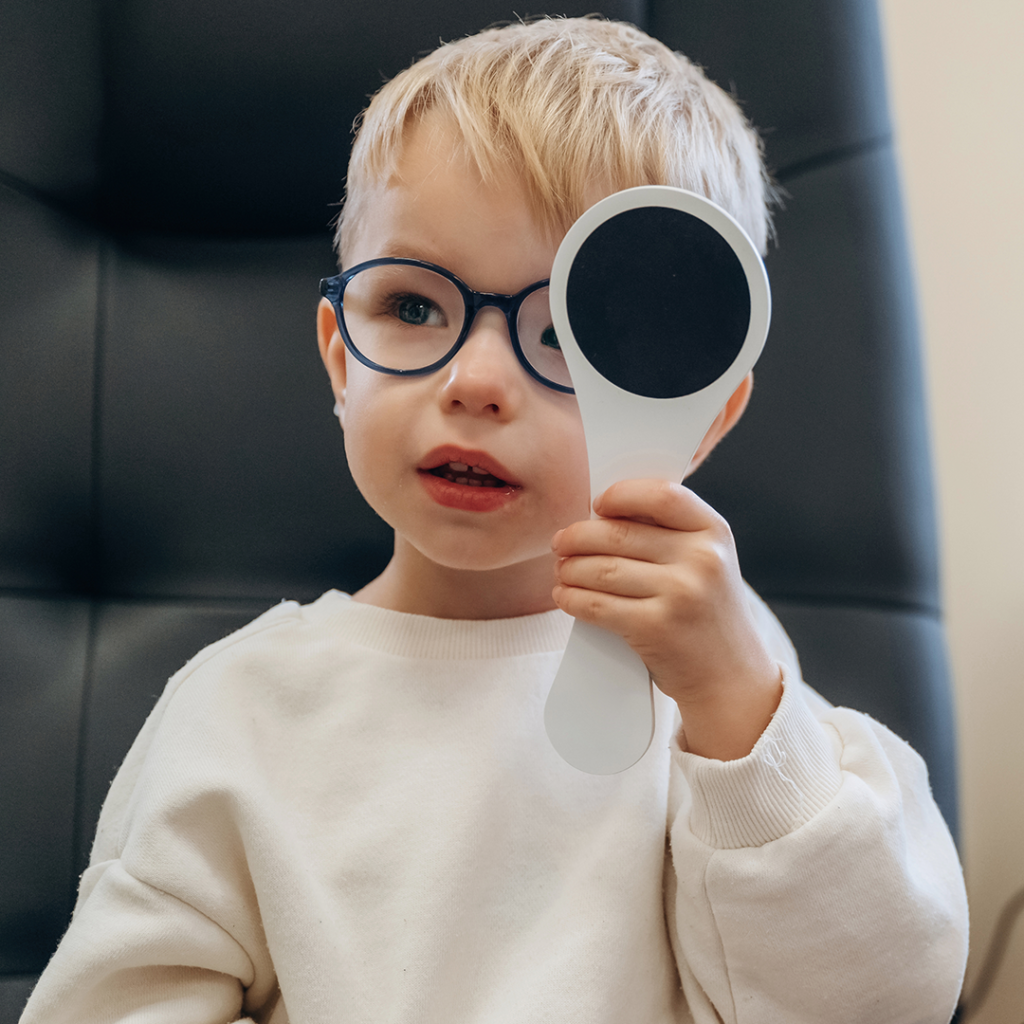
LEA® Legacy in Pediatric Screening
LEA Symbols®, created by Dr. Lea Hyvärinen and stewarded by Good-Lite, support accurate equitable vision screening for children worldwide.
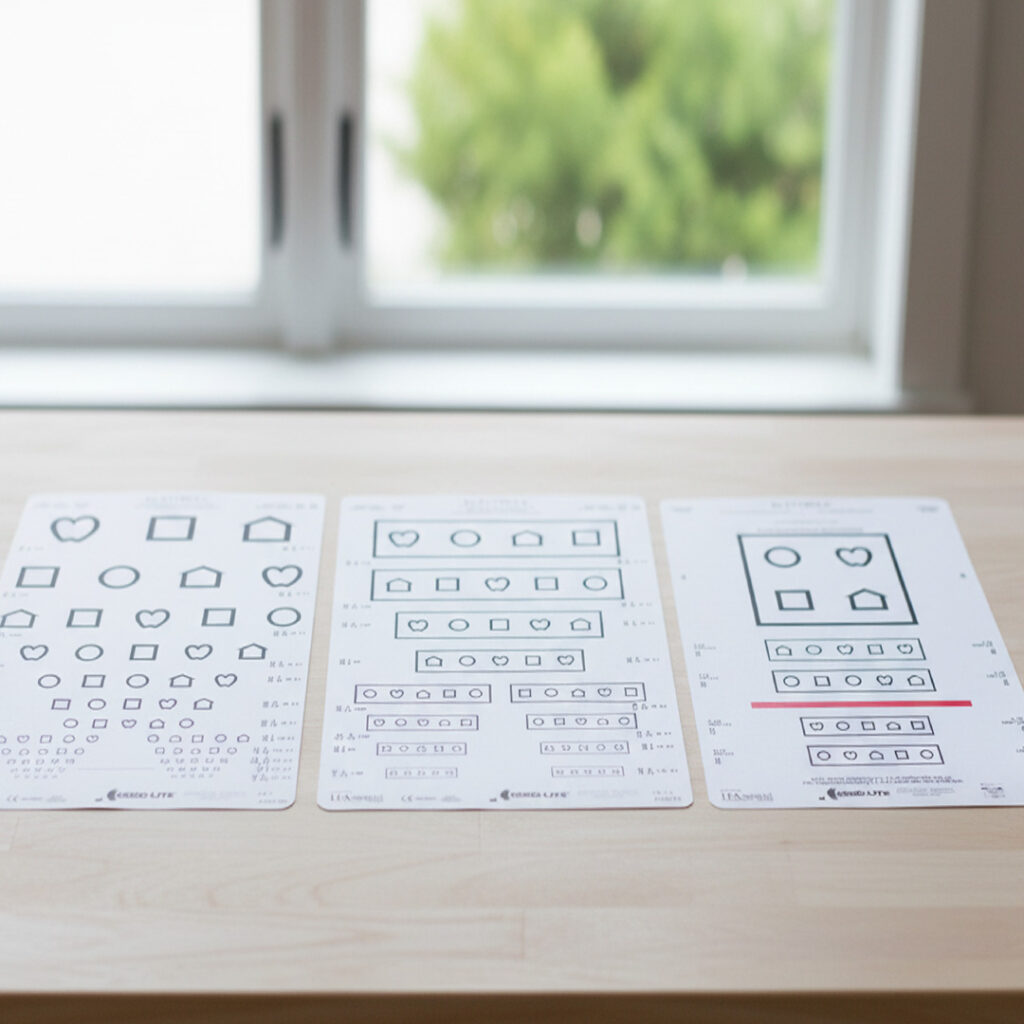
The Gold Standard for Early Vision Screening
Optotype design plays a critical role in early vision screening accuracy. This article explains why LEA® optotypes are scientifically validated and widely recommended for preschool assessment.
How LEA® Symbols Make Vision Screening Fun and Inclusive
Effective vision screening depends on participation. This article explains how LEA® Symbols use child-friendly, inclusive design to support accurate screening across developmental stages and cultures.